

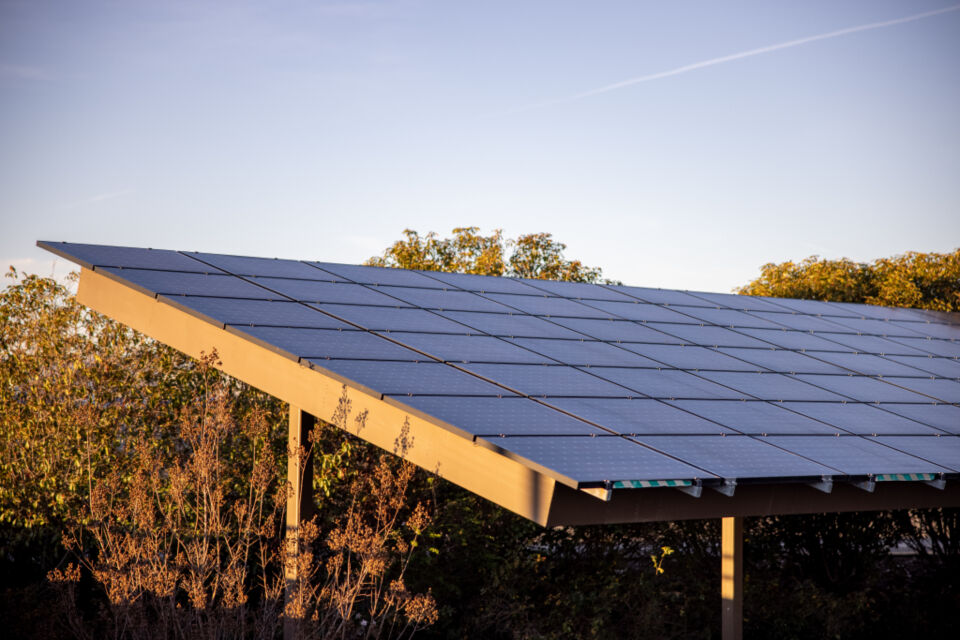
Rooftop solar panels are easy to forget once they are up. They sit in the sun and quietly feed power into the house. Yet they still need some care to keep working safely and well. A little attention each year can help them keep producing for a long time.
This guide covers simple cleaning, regular checks and when to call a licensed electrician. It also explains the safety limits for owners. Most of the work is light and visual. Anything electrical belongs with a professional.
Why panel care matters
Dirt, dust, leaves and bird droppings build up on panels over time. According to Solar Victoria, this build up can block light and reduce the panels’ efficiency. Shade from trees and new structures can do the same. Small losses each day add up over a year of generation.
There is also a safety side. Electrical Safety Queensland warns that poor maintenance can lead to electrical failure, which can cause electric shock or fire. It also says owners of an electrical installation are responsible for making sure it does not pose a risk of shock or fire. That makes routine care part of owning a system, not an optional extra.
The same thinking applies to bigger installations. Anyone running a larger array on a shed or office will find the principles are similar to those in our guide to commercial solar panel systems. The scale is bigger, but clean glass, clear vents and regular servicing still count. Business owners should also check their own work health and safety duties.
How to clean solar panels safely
Angled panels often get a good wash from the rain. If dirt stays on, Solar Victoria suggests gently hosing them from the ground. On a one storey home, you can brush off reachable dirt with a soft broom that has a long handle. Keep your feet on the ground the whole time and spray lightly.
Flat panels without a tilt frame behave differently. Rain can pool on them and leave marks as it dries. These panels may need hosing more often than tilted ones. Check them after dry, dusty spells or long periods without rain.
There are a few things to avoid. Both Solar Victoria and Electrical Safety Queensland say to use water rather than cleaning products. Both also warn against high pressure water cleaners, which can damage panels. Never stand on panels, lean on them or rest a bucket on top.
Before you clean, look the panels over for damage from a safe spot. Electrical Safety Queensland advises inspecting the panels for any damage before cleaning them. Cracked glass or loose cables are a job for a licensed electrician. Do not try to clean around them yourself.
Leave the roof to professionals
Getting on a roof carries real risk. Electrical Safety Queensland warns people to take care on ladders and at heights. It also says to keep away from overhead powerlines near the solar installation. For most homes, the safest choice is to stay on the ground.
If panels need more than a light hose, book a professional cleaning service. Solar Victoria suggests arranging this through your installer or a specialist solar cleaner. Professional cleaners should wear full safety gear. Ask first whether the cleaning method could affect your panel warranty.
Water use is worth a thought during dry months. Hosing panels only when needed keeps waste down. Our tips on sustainable plumbing maintenance cover other ways to save water around the home. A leaking garden tap near the panels is an easy fix to add to the list.
Checking the inverter
The inverter is the box that converts the power from your panels into power the house can use. It often has a display with status lights or a screen. Electrical Safety Queensland suggests reviewing the display for recorded faults. If you see error lights or warning codes, Solar Victoria advises asking your installer what they mean.
Airflow is the other thing to watch. Inverters have heatsinks and cooling vents that need to stay clear. Solar Victoria notes that blocked airflow can cause overheating in hot weather and shorten the inverter’s life. Between services, check that the unit is free of dirt, dust, spider webs and vermin.
Keeping an eye on your bills and inverter data can also help. Solar Victoria lists this as a habit that helps spot glitches early. A sudden drop in output on sunny days is a sign to look closer. Compare the same months across different years where you can.
Watch for shade and storm damage
Gardens grow, and a tree that was small at installation can shade panels years later. Electrical Safety Queensland advises cutting back trees and removing structures that shade the panels. It notes that shading can reduce both the efficiency and safety of the panels. Plan new plantings with the roof in mind.
Low growing plants on the sunny side of the house are a good option. Our ideas for eco friendly landscaping include planting choices that suit a garden built around energy savings. Taller trees can go where they shade walls and windows in summer instead. That way the garden and the panels work together.
The same goes for garden structures. Pergolas, sheds and screens can all cast shadows at certain times of year. If you are planning see through barriers such as glass fencing in a sustainable landscaping plan, think about where they sit in relation to the roof. Check the shade pattern in winter, when the sun sits lower.
Storms bring their own risks. Electrical Safety Queensland advises checking the system from a safe distance, especially after a storm. It says systems should be inspected after storms if a visual check shows damage or the inverter reports a fault. Hail, flying branches and strong winds can all crack glass or loosen fittings.
Regular servicing by a licensed electrician
Owners can do light visual checks, but electrical work is a different matter. Electrical Safety Queensland states that maintenance involving electrical work must be done by a licensed electrician. Homeowners should never attempt electrical repairs. This includes fixing exposed cables, loose fittings or cracked panels.
Advice on how often to service differs between sources. Electrical Safety Queensland says systems should be inspected annually or as the manufacturer specifies. Solar Victoria recommends a service by a licensed electrician at least every two years. Rules and advice differ between states, so check with your local electrical safety regulator and your manufacturer.
A service usually includes testing the electrical equipment and cabling. According to Solar Victoria, the electrician also inspects the panels for cracks, chips and discolouration. Findings are logged, which may help with a later warranty claim. Ask for a quote that describes the work and a detailed report afterwards.
Some electricity distributors require a yearly test of the inverter’s islanding protection. This safety feature stops the system feeding the grid during a power outage. Solar Victoria suggests checking with your distributor to see if this applies to you. Also check whether your warranty requires your installer to carry out the service.
Make sure everyone in the house knows where the system isolator switches are. Electrical Safety Queensland says emergency shutdown and isolation procedures should be clearly displayed. Easy access to the isolators matters in an emergency. Keep that area free of stored items and overgrown plants.
Larger buildings need a more formal plan. A site safety plan looks at the wider mix of safety and efficiency on a working site. Rooftop solar should sit within that plan. Record each service and any faults so the history is easy to follow.
For more detail, read the Solar Victoria guide to cleaning and maintaining solar panels and the Electrical Safety Queensland advice on solar PV systems. Both are written for owners and explain where the limits sit. Other states have their own regulators with similar guidance. It is worth looking up the one that covers your area.
Frequently asked questions
Can I clean my solar panels with detergent?
Plain water is the safer choice. Solar Victoria and Electrical Safety Queensland both advise against harsh soaps and cleaning products. Water is usually enough to lift dust and dirt. If marks remain, ask a professional cleaner.
Is a pressure washer safe on solar panels?
No, both sources warn against using high pressure water. Solar Victoria says it could damage the panels. A gentle spray from a garden hose is the better option. Keep your feet on the ground while you do it.
How often should solar panels be serviced?
Advice varies by state and manufacturer. Electrical Safety Queensland suggests yearly inspections, while Solar Victoria recommends a service at least every two years. Check your local regulator and your warranty terms. Book a check sooner if you notice damage or a fault.
What should I do if the inverter shows an error?
Note the code or light and contact your installer. Solar Victoria advises asking them what warning codes mean. Do not open the inverter or try a repair yourself. Electrical work must be done by a licensed electrician.
This article is general information only. Safety rules and licensing requirements differ between states and can change. Speak with a licensed electrician or your local electrical safety regulator about your own system.