

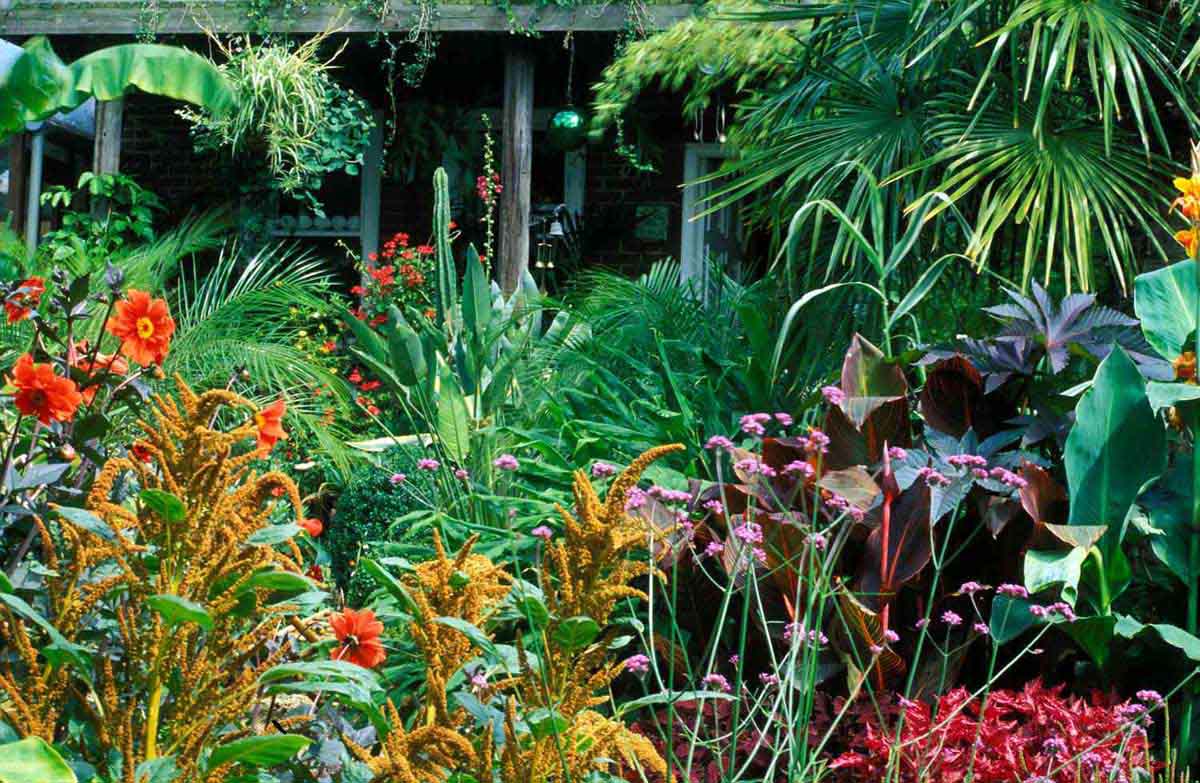
If your garden is drinking more water than your household, you may need to make some changes. And if you’re spending every weekend maintaining something that seems determined to die, it may be time you look into trying some different sustainable landscaping approaches.
Instead of forcing European plants to survive in Australian conditions, you choose things that actually want to be here.
Martin Cuthbert Landscapes has been designing gardens this way for years, and they know the difference that strategic and carefully planned landscaping makes a difference in the long term.
Less water, less work, lower costs and gardens that look like they belong rather than like you’re fighting nature every step.
The thing is, traditional landscaping approaches can be pretty resource intensive which means heaps of water, chemical fertilisers, constant mowing and maintenance. There’s a better way that’s kinder to your wallet and the planet.
Native plants instead of exotic species
This could be the biggest change you can make for your garden. Australian native plants evolved for our climate, soil and rainfall patterns.
They handle heat, drought and local pests way better than exotic species that need to be maintained carefully.
If gardening if your favourite pass time and you love spending every spare minute in the garden then this tip may not be for you? But if you care about your water usage and the wellbeing of your plants you may want to look into some different species.
The water savings alone are massive. Once established, most natives need minimal watering beyond natural rainfall. Compare that to European style gardens needing daily watering through summer.
That’s close to thousands of litres difference annually. And with water restrictions becoming more common across Australia, natives just make practical sense.
Your maintenance needs also decrease a lot. So, if you’re finding yourself constantly in the garden you may want to consider. Maintenance drops heaps too. Natives don’t need the fertiliser and pest control that exotics often require.
They’re adapted to Australian soils which are generally nutrient poor compared to European or American soils. Trying to grow plants that need rich soil means constant fertiliser applications, which costs money and often runs off into waterways causing environmental problems.
There are also big benefits to surrounding wildlife too. Native plants provide food and habitat for local birds, insects, and animals. You’ll get more birdlife, butterflies, native bees. So if you love a happy thriving garden you will love the life that native plants bring.
The thing is native plants can look different to what people expect from gardens. Some have that beautiful Australian bush aesthetic, which looks amazing and brings colour and life to your garden.
But if that not really your thing there’s also heaps of variety, from groundcovers to flowering shrubs to feature trees.
Good landscape designers know how to use natives in ways that look designed and intentional rather than just bush.
When talking price, natives aren’t necessarily cheaper to buy. Actually sometimes they are more expensive than some different exotic choices you may have in mind. But long term costs are way lower because of reduced water, fertiliser and maintenance needs.
Rainwater harvesting systems
Installing a rain tank system could be another great thing you can do for your garden and household. Its definitely one of the smarter investments for sustainable landscaping. You’re using water that would otherwise just run into stormwater drains and you’re reducing your mains water consumption.
The water’s perfect for gardens, since its straight from the sky there are no chlorine or chemicals, slightly acidic which most plants prefer. It can be used for lawns, garden beds, washing outdoor areas.
Some people even plumb it into toilets or laundry for indoor use but that needs more building and infrastructure, so that is an extra project if you’re up for it.
Composting and mulching
Composting kitchen and garden waste creates free fertiliser and reduces landfill. Plus it’s genuinely good soil amendment it improves soil structure, adds nutrients, helps retain moisture.
Compost bins or tumblers for kitchen scraps, garden bed composting systems for green waste. Doesn’t need to be complicated – even basic heap in corner of yard works if you turn it occasionally and keep it balanced between green (nitrogen) and brown (carbon) materials.
Most people get it wrong initially too wet, too dry, wrong balance of materials, not turning it. Takes bit of trial and error but once you get system working it’s easy. And the compost you make is way better than bagged stuff from shops.
Mulching garden beds is separate but related. Layer of organic mulch (wood chips, bark, sugarcane mulch) suppresses weeds, retains soil moisture, regulates temperature, breaks down adding nutrients. Reduces watering needs heaps and means less time weeding.
Some landscapers use living mulch – groundcover plants that cover soil and suppress weeds while looking good. Different approach but achieves similar goals of moisture retention and weed suppression.
Reduce or eliminate lawn areas
Lawns are water and maintenance hogs. Constant mowing, fertilising, watering, edging. And for what? How much time do you actually spend on your lawn versus just maintaining it?
Reducing lawn area and replacing with garden beds, native groundcovers, mulched areas or permeable paving cuts maintenance heaps. You still can have some lawn for kids or pets or whatever, just less of it.
Alternatives depend on use. Area that gets walked on occasionally can be groundcover plants. Area that needs to handle traffic might be decomposed granite or pavers. Area that’s just visual can be garden bed with low maintenance plants.
The lawn you do keep can be more sustainable too. Choose drought-tolerant grass varieties, mow higher (longer grass shades soil and retains moisture better), leave clippings on lawn to return nutrients, water less frequently but deeper to encourage deep root growth.
Some people go completely lawn free. Works brilliantly for some properties, feels wrong for others. Depends on your lifestyle and how you use outdoor space.
Edible gardens and productive landscaping
Why not grow food in your garden? Doesn’t have to be huge veggie patch even few productive plants mixed into landscape design provides fresh herbs, vegetables, fruit.
Herb gardens are easy starting point. Rosemary, basil, mint, parsley grow well in most Australian gardens, look good, useful for cooking. Can be integrated into garden beds or pots near kitchen.
Fruit trees provide shade, look good, produce food. Choose varieties suited to your climate. Citrus work well in many Australian areas. Stone fruits in cooler regions.
Avocados and mangoes in warmer areas. Dwarf varieties work for smaller gardens.
Vegetables in raised beds or mixed into garden beds. Doesn’t have to look like traditional veggie patch. Landscape designers are getting creative with productive plants integrated into overall design looks good and provides food.
In the long term you will end up reducing food miles, no packaging, you know what’s gone into growing it and it connects you with the food youre putting into your body and the epopel you love around you.
It may sound silly to some, but what you put into your body make s a huge differneceto your health, wellbeing and mood. Plus it’s genuinely satisfying growing and eating your own produce.
Maintenance is higher than ornamental gardens obviously as vegetables need regular attention, harvesting, replanting. But herbs and fruit trees are reasonably low maintenance once you get them planted.
Making it happen
You don’t have to do everything at once. Pick few changes that make sense for your property and budget, start there.
Try out some native plants, and definitely mulch are easy wins. These are low cost, immediate impact, obvious benefits. They are also simple so anyone can start with these.
Rainwater tanks need more investment but payback is clear. It’s a good project if you’ve got budget for it, because they can end up helping you save water for your garden long term.
If you’re starting from scratch or doing major renovation its smart decision to work with landscape designers who understand sustainable principles makes sense. Places like Martin Cuthbert Landscapes factor sustainability into landscape design from the start which is way easier than adding it as afterthought.
The payoff is lower ongoing costs, less time on maintenance, better for environment, garden that works with Australian conditions rather than fighting them. Not instant but definitely worth it long-term.