

Many electricity retailers sell plans with a green label. Only some of those plans are GreenPower, the voluntary renewable energy program accredited by government. Knowing the difference helps you pick an option that does what it claims. It also helps you weigh up the extra cost.
This guide explains what GreenPower is, how it works and who runs it. It covers how the certificates behind it are tracked and what you can expect to pay. It also looks at how households and businesses can sign up. The details come from the official program and government consumer sources.
What GreenPower is
GreenPower describes itself as 100% clean, renewable electricity that you can buy from most electricity retailers. It is a voluntary accreditation program. The program says it is the only voluntary government accreditation program that guarantees your electricity use is matched with renewable power. Energy Made Easy, the Australian Government’s energy comparison service, notes that some retailers offer green options but only GreenPower is government accredited.
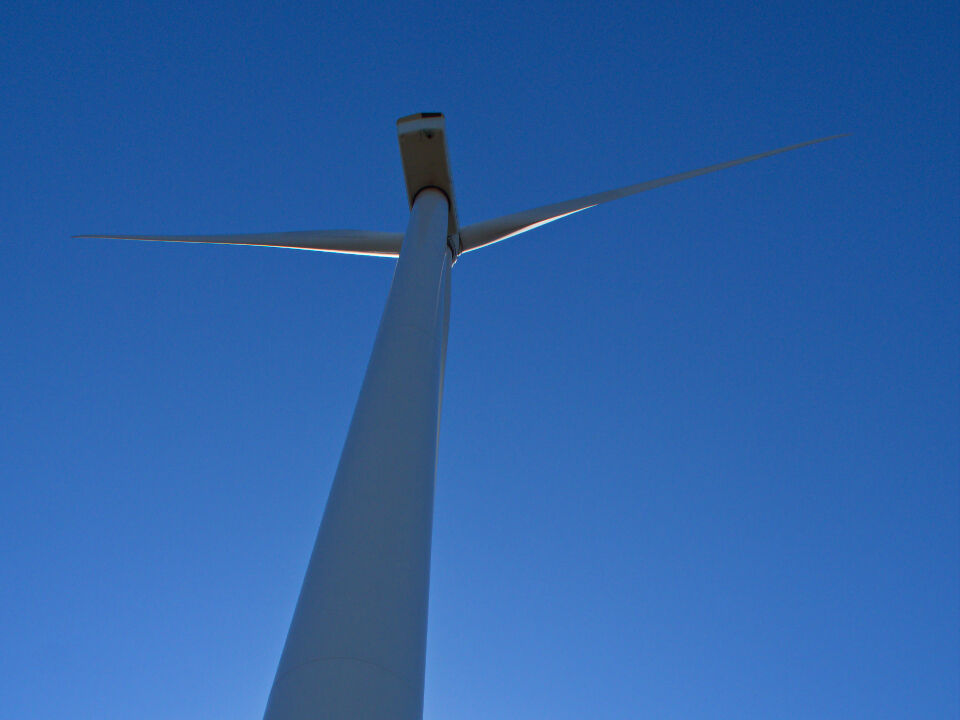
The power comes from renewable sources such as wind, solar, mini hydro and bioenergy. According to the program, the electricity comes from generators built after 1997 with minimal environmental impact. Native forest biomass is excluded. Generators must meet strict renewable industry standards to be accredited.
Who runs the program
GreenPower was set up in 1997 by the Sustainable Energy Development Authority in New South Wales. It was developed with input from the energy industry and community groups. These included the Australian Consumers Association, now known as CHOICE. Greenpeace, the Australian Conservation Foundation and the World Wide Fund for Nature were also involved.
Today the NSW Department of Climate Change, Energy, the Environment and Water is the program manager and administrator. It acts for the National GreenPower Steering Group. The program states that New South Wales, South Australia and Victoria are members of that group. The ACT, Northern Territory, Queensland and Tasmania are observers.
How GreenPower works
When you buy GreenPower, your home is not wired to a wind farm. Energy Made Easy explains that you do not directly use renewable power. Instead, your electricity use is offset. The system works through certificates that track renewable generation.
These are called Large-scale Generation Certificates, or LGCs. Each certificate represents one megawatt hour of renewable electricity. Accredited generators produce the power and create the certificates. Your retailer then buys and surrenders certificates on your behalf.
The program says certificates are retired for every unit of GreenPower sold. This prevents double counting or duplication. The certificates are retired with the Clean Energy Regulator. Each year, GreenPower Providers are audited independently to check their sales line up with the certificates.
GreenPower also sits on top of the mandated national Renewable Energy Target. That means purchases add demand for renewable electricity beyond what is already required by law. The program says this supports new projects. The money paid flows back to generators and providers.
This kind of demand matters for heavy industry too. Our article on renewable energy in mining looks at how large energy users are adding renewables. Households and small businesses play a smaller part on their own. Together, though, voluntary purchases add up.
Choosing your percentage
Retailers usually offer several GreenPower options. You can buy a small share or cover all of your use. Energy Made Easy says choosing 100% GreenPower means offsetting all your electricity use with renewable energy. Smaller shares such as 50% are also available.
The right level depends on your budget and goals. Some people start with a lower share and raise it later. Others go straight to 100% to match all their use. Either way, check the exact percentage on your plan and on your bill.
What GreenPower costs
GreenPower is charged as an extra amount per kilowatt hour on top of your normal rate. The program estimates that 100% GreenPower costs around 4 to 8 cents per kWh extra. Energy Made Easy gives the same range. Lower percentage products usually cost a matching fraction, so 50% is about 2 to 4 cents per kWh.
The program offers a quick way to estimate your cost. Multiply your average daily use in kWh by 5 cents. It suggests an average household might pay about $1 a day. These figures are estimates only, and actual prices vary by retailer and plan.
The program also notes that GreenPower may cost a little more than standard grid electricity or carbon neutral electricity. That extra cost pays for the accredited certificates. It is worth comparing several providers. Ask each one for their best GreenPower offer.
How to sign up
You may not need to change retailers at all. The program says GreenPower is available from most energy retailers, so you can ask your current one first. If they do not offer it, the official site lists accredited GreenPower Providers. Contact a few and compare their prices and plan terms.
Comparison sites can help. Households and small businesses in the ACT, New South Wales, Queensland, South Australia and Tasmania can compare offers on Energy Made Easy. Plans with GreenPower options carry the GreenPower logo on its search results. Victorian customers can use Victorian Energy Compare, while other states may have their own tools.
When you compare plans, look past the headline label. A plan called green may not include accredited GreenPower. Check that the retailer is a listed GreenPower Provider and that the plan names the GreenPower percentage. Keep your bills so you can confirm the charge each period.
GreenPower for businesses
GreenPower is open to businesses as well as homes. It can be a simple step for firms that cannot install their own panels. A tenant in a leased office or a business with a shaded roof might find it easier than building a system. The same accreditation and audit rules apply.
For owners who can build on site, our guide to commercial solar panel systems covers the other path. Some businesses combine the two, using solar during the day and buying GreenPower for the rest. That can lift the renewable share of their total use. It is worth working out the costs of each option.
Energy choices often sit inside a wider sustainability plan. Our sustainable warehouse design checklist shows how efficiency and safety fit together on a working site. Cutting use first means any GreenPower you buy goes further. Waste handling matters too, as covered in our tips on recycling and disposal of dental waste for clinics.
The official sources are the best place to check current details. The GreenPower guide to how the program works explains the certificates and audits. The Energy Made Easy explainer on GreenPower covers choosing a plan. Both are run by government agencies.
Frequently asked questions
Does GreenPower mean renewable power flows into my home?
No, the electricity in your wires comes from the shared grid. Energy Made Easy explains that your use is offset rather than supplied directly. Your retailer surrenders certificates that match the renewable share you pay for. This is how the program tracks your purchase.
Do I have to change retailers to get GreenPower?
Not always. The program says most energy retailers offer it, so ask your current retailer first. If they do not, check the official list of accredited providers. Compare a few offers before you decide.
Is a green or carbon neutral plan the same as GreenPower?
Not necessarily. Energy Made Easy notes that some retailers offer green options, but only GreenPower is government accredited. Check that the plan names GreenPower and the percentage you are buying. Ask the retailer if anything is unclear.
How much extra will 100% GreenPower cost?
The program estimates around 4 to 8 cents per kWh on top of your usual rate. It suggests an average household might pay about $1 a day. Prices vary by retailer and plan. Compare offers to find the best price for your use.