

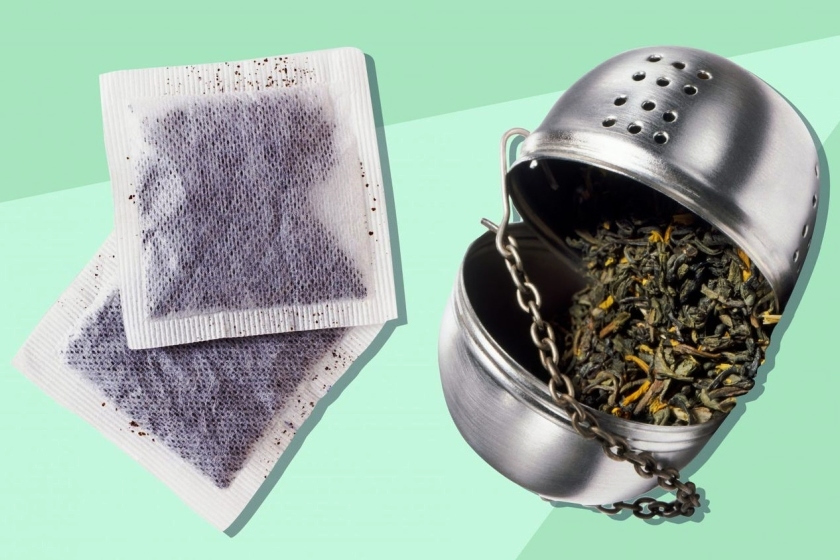
As we navigate our way through the 21st century, concerns about the environment have become increasingly important. In the realm of food and beverage, sustainability has become a significant priority. There is a rising trend of tea drinkers who want to ensure that their tea is sustainably sourced and brewed in the most environmentally friendly way possible. Loose-leaf tea has been around for centuries, and today there is a wide variety available from all parts of the world. Tea bags are the more modern option and convenient for many people. We will explore the differences between organic loose-leaf tea and tea bags and investigate each option’s sustainability.
Consider the environmental impact of disposable tea bags.
Disposable tea bags are convenient and affordable but also have a high environmental cost. Most tea bags have a plastic-based lining, making them non-biodegradable and contributing to plastic pollution. Tea bags also contain tiny particles of plastic, which can make their way into the environment. Tea bags are also often packaged in single-use, non-biodegradable plastic containers. These containers add to the plastic waste in landfills, further damaging our environment. By choosing organic loose-leaf tea instead, you can reduce your environmental impact and help create a more sustainable world.
Invest in organic and sustainably sourced loose-leaf teas.
The demand for organic and sustainably sourced loose-leaf teas has surged as consumers become more aware of these products’ environmental and health benefits. Investing in loose-leaf teas is not only beneficial for the environment, but it also allows for a more luxurious tea-drinking experience. Loose-leaf teas are known for their complex and nuanced flavours and aromas, which tea bags can’t match. Loose-leaf teas are often superior since tea bags are filled with heavily processed, lower-grade tea leaves.
Discover the health benefits of organic tea.
Organic loose-leaf tea is a sustainable, healthy choice for tea connoisseurs. A cup of organic tea offers a wealth of health benefits. Organic tea is grown without synthetic pesticides, herbicides, or chemical fertilizers; this means fewer toxins and potentially harmful pollutants in your cup of tea. By avoiding these chemicals, organic tea can provide a healthier, more balanced cup of tea. Organic tea contains higher levels of antioxidants than conventional tea, making it a rich source of vitamins and minerals; it is also an excellent choice for those looking to reduce their carbon footprint, as organic farming practices are gentler on the environment.
Understand the difference between tea bags and loose-leaf tea.
When deciding between the two, it is essential to understand the difference between tea bags and loose-leaf tea. Tea bags contain fannings and dust from tea leaves that have been processed and ground; this makes brewing tea with tea bags quicker and more accessible but also results in a lower-quality cup of tea. Loose-leaf tea is made from unground, whole tea leaves, which results in fuller flavour. Loose-leaf is also much more sustainable than tea bags, as the leaves can be re-steeped multiple times, reducing waste and saving money.
Explore the variety of flavours available in loose-leaf tea.
Loose-leaf tea provides a variety of flavours, aromas, and textures you do not get from average tea bags. By exploring different types of loose-leaf teas, you can experience new flavours and learn to appreciate the art of tea-making. Depending on the type of tea you choose, you may be able to taste notes of fresh-cut grass, sweet plums, or even spicy ginger.
If you want to enjoy a cup of tea without compromising taste and quality, switching to organic loose-leaf tea is the way to go. If loose-leaf tea is very unpreferable for you, you can still enjoy a cup of tea while being sustainable by opting for compostable tea bags made from natural materials. This switch also benefits the environment by eliminating the need for disposable tea bags.